

Literary Theory An Introduction by Terry Eagleton
- Publisher: ENGLISH LANGUAGE LITERATURE & SKILLS
- Availability: In Stock
- SKU: 51801 R1 0322
- Number of Pages: 234
Rs.490.00
Rs.595.00
Tags: Academic Literature , Critical Approaches , Critical Theory , Criticism , cultural studies , Deconstruction , Eagleton. , Feminism , Feminist Literary Criticism , Formalism , historical context , interdisciplinary , Interpretation , Literary Analysis , Literary Studies , Literary Theory , Literary Theory An Introduction , Literature and Culture , Literature Studies , Marxism , Marxist Literary Theory , Modern Literary Theory , Narrative Theory , New Historicism , Philosophy of Literature , Postcolonialism , Postmodernism , Psychoanalysis , Psychoanalytic Criticism , Reader-Response Theory , Semiotics , structuralism , Terry Eagleton , Textual Analysis
"Literary Theory: An Introduction" by Terry Eagleton is a significant text in the field of literary criticism, first published in 1983 and widely used in academic settings. Eagleton provides a comprehensive overview of various literary theories, exploring their historical context, key concepts, and major proponents.
-
Historical Context: Eagleton traces the development of literary theory from the classical period through the Romantic era, the rise of formalism and structuralism, to post-structuralism and postmodernism.
-
Major Theories: He discusses a range of literary theories, including:
- Formalism and Structuralism: Focuses on the form and structure of literary texts.
- Marxism: Explores literature in the context of social class and economic power.
- Psychoanalysis: Examines the influence of Freudian concepts on literature and interpretation.
- Feminism: Analyzes the role of gender and the representation of women in literature.
- Postcolonialism: Looks at the impact of colonialism on literature and cultural identity.
-
Interdisciplinary Approach: Eagleton emphasizes that literary theory intersects with various disciplines, including philosophy, sociology, and psychology, enriching the understanding of texts.
-
Critique of Theories: While presenting various theories, Eagleton also critiques them, highlighting their limitations and the debates surrounding them.
-
Accessibility: The book is written in an accessible style, making complex theories understandable for readers who may not have a background in literary criticism.
Related Products
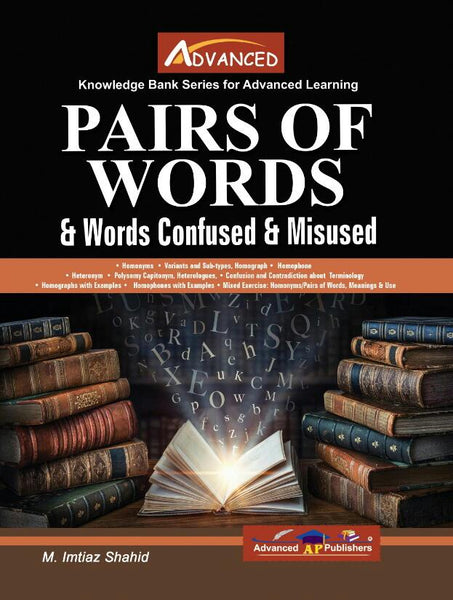
Rs.540.00
Rs.600.00
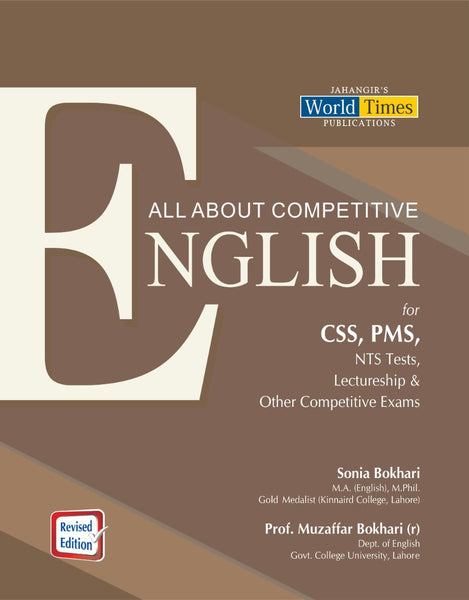
Rs.1,340.00
Rs.1,675.00
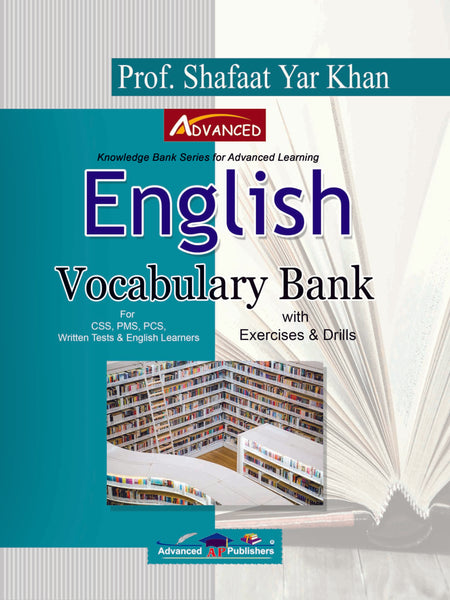
Rs.540.00
Rs.600.00

Rs.560.00
Rs.650.00
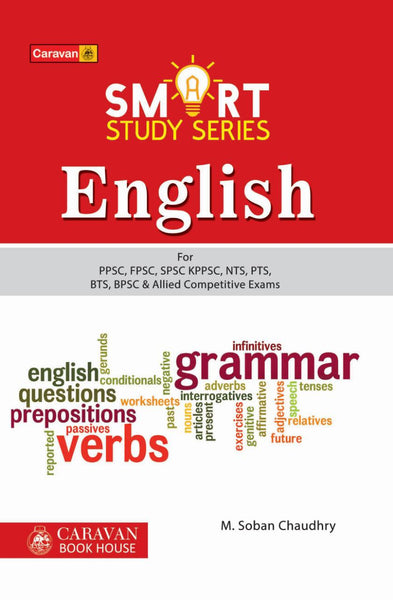
Rs.480.00
Rs.600.00

Rs.1,360.00
Rs.1,700.00
Rs.800.00
Rs.895.00
Rs.420.00
Rs.525.00


